FREE delivery & 40% Discount for next 3 orders! Place your 1st order in.

Your order qualifies for free shipping!
-
1 × ₹1,299.00
Subtotal: ₹1,299.00
Free Shipping on All Orders Over $750
Soon stocks will run out
Dont miss this opportunity while supplies last.
Soon stocks will run out
Dont miss this opportunity while supplies last.
Is Organic Rice Better for Diabetics? Glycemic Index Explained
Billions of people eat rice as a staple of their diet, especially in Asia. But when it comes to people with diabetes, rice is often taken with caution due to its potential impact on blood sugar levels. This has led to more curiosity regarding whether or not it is beneficial in selecting organic rice for better blood sugar management.
In this blog, we are going to take a look at the glycemic index of organic rice, compare various types of rice and figure out the best rice for blood sugar control among diabetics.
Understanding Organic Rice
Organic rice is grown without the use of synthetic pesticides, synthetic fertilizers or genetically modified organisms (GMOs). Organic farming, on the other hand, uses natural soil improvement, crop rotation and pest management techniques which do not harm ecosystems.
Though the nutrition profile of organic rice is similar to that of regular, commercially-produced rice, growing it can be a boon for soil health and may hold onto higher levels of micronutrients and antioxidants, especially in whole grain versions.
For individuals with diabetes, traditional rice may be detrimental to health, whereas the true benefit of organic rice is more than just based on how it was cultivated but also in what kind of rice is used and its effects on blood glucose.
Why Glycemic Index Matters for Diabetics
The glycemic index (GI) is a measure of how much carbohydrate-containing foods will elevate blood sugar levels after ingestion. Foods are classified as:
- Low GI (≤55): Blood glucose level rise is slow and steady.
- GI medium (56−69): Fair rise.
- High GI (≥70): Leads to a high spike in blood sugar
Low-GI foods are often recommended to diabetics as they have been shown to aid in glycemic control and reduce insulin-level spikes.
Glycemic Index of Organic Rice
The Glycemic Index of Whole Foods, the GI of whole organic rice can vary from one type to another and depending upon the processing. Organic does not automatically equal low GI. The fibre content, grainy structure and starch composition of the rice mattered much more.
Below are some common types of organic rice and the GI range for each:
Organic Rice Type | Glycemic Index |
Organic White Rice | 70–75 (High) |
Organic Brown Rice | 50–55 (Low–Medium) |
Organic Red Rice | 50–55 (Low) |
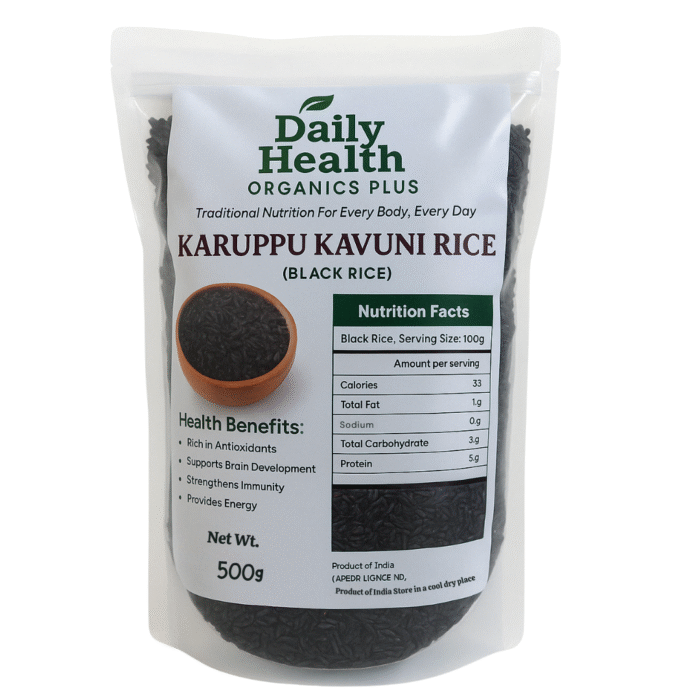
Organic Black Rice | 42–45 (Low) |
Organic Basmati Rice | 50–58 (Low–Medium) |
As seen above, whole-grain organic rice varieties tend to have a significantly lower glycemic index compared to refined white rice.
Is Organic Rice Good for Diabetics?
Yes, but with the right choices and portion control. Organic rice can be a healthy option for diabetics when the focus is on whole grains and low-GI varieties. Some main reasons why organic rice can be beneficial for diabetes control:
- Higher Fibre Content
100% whole-grain organic rice includes both the bran and germ layers, fibre-rich. Fibre can also slow down the digestion of carbohydrates, preventing huge surges in blood sugar levels.
- Better Blood Sugar Stability
Organic Low-GI rice slowly releases glucose into the bloodstream, keeping your energy levels stable.
- Rich in Antioxidants and Minerals
Organic red rice and black rice contain antioxidants that include anthocyanins, magnesium and zinc as well, which support insulin function.
- Reduced Exposure to Chemicals
Organic food doesn’t contain pesticide residues, thereby it is the cleaner and safer option for long-term health.
Best Rice for Blood Sugar Control
Choosing the best rice for blood sugar control is essential for diabetics who wish to continue enjoying rice as part of a balanced diet.
Organic Black Rice
Black rice has one of the lowest GI levels compared to other types of rice. It is rich in fibre and antioxidants which makes it a great option for regulating your blood sugar.
Organic Red Rice
Red rice is unpolished and has a lower GI due to the presence of bran layers. The fibre is good for digestion and blood sugar control.
Organic Brown Rice
Brown rice is one of the most commonly recommended whole grains for diabetics. It is slow to digest and provides important nutrients such as magnesium that will enhance insulin sensitivity.
Organic Basmati Rice
The longer grain structure of basmati rice and higher amylose content may contribute to a lower GI relative to normal white rice.
Organic Rice vs Regular Rice for Diabetics
While both organic and conventional rice provide carbohydrates, organic whole-grain rice offers several advantages:
- Better fibre retention
- Lower glycemic impact (in whole-grain forms)
- Higher antioxidant levels
- Cleaner farming practices
However, diabetics should note that organic white rice still has a high GI and should be limited regardless of its organic status.
Portion Control and Cooking Methods
The best rice for controlling blood sugar is likely to produce a glucose spike if you eat too much of it. Serving size and method of preparation markedly influence glycemic response.
Smart Portion Guidelines
- Eat NO more than ½ cup cooked rice per meal
- Serve with protein and veggies to reduce digestion
Cooking Tips to Lower GI
- Boil rice until it is not fully cooked and fry them.
- Let cooked rice cool a bit before serving
- Don’t cook under pressure for very long periods of time
Simply reheating cooled rice may, in and of itself, decrease its glycemic impact by promoting the formation of resistant starches .
How to Add Organic Rice to a Diabetic Diet
- Mix organic rice with lentils, veggies and healthy fats
- Don’t eat rice together with sugary sauces or processed foods
- Serve organic rice as part of a balanced plate, not the center of attention
- Check blood sugars to see what works for you personally
As long as the correct types are chosen, organic rice can be a great option for diabetics. Organic rice won’t meaningfully reduce your blood sugar, but whole grain options, including brown and red varieties (also black, basmati, etc), boast a lower glycemic index and more fibre, both good news for diabetes control.
Diabetes sufferers should eat low-glycemic organic rice varieties, watch the portions and enjoy the healthful cooking methods. If rice is consumed in moderation and cooked the right way, organic rice can be included as part of a diabetes-appropriate diet without sacrificing blood sugar levels.
Daily Health Organics Recommendation
Choose organic, unpolished rice varieties for better glycemic balance and long-term wellness. Thoughtful choices today lead to healthier blood sugar levels tomorrow.
Recent Posts
- Is Health Mix Good for Diabetics? Glycemic Impact Explained
- Is Organic Rice Better for Diabetics? Glycemic Index Explained
- Why Unpolished Organic Rice Is Better for Your Health
- Why Multigrain & Millet Health Mix Is a Better Breakfast Than Sugary Cereals
- Health Mix for Kids: Supporting Growth Naturally