FREE delivery & 40% Discount for next 3 orders! Place your 1st order in.

Your order qualifies for free shipping!
Subtotal: ₹649.00
Free Shipping on All Orders Over $750
Soon stocks will run out
Dont miss this opportunity while supplies last.
Soon stocks will run out
Dont miss this opportunity while supplies last.
Are Cashews Good for Weight Management?
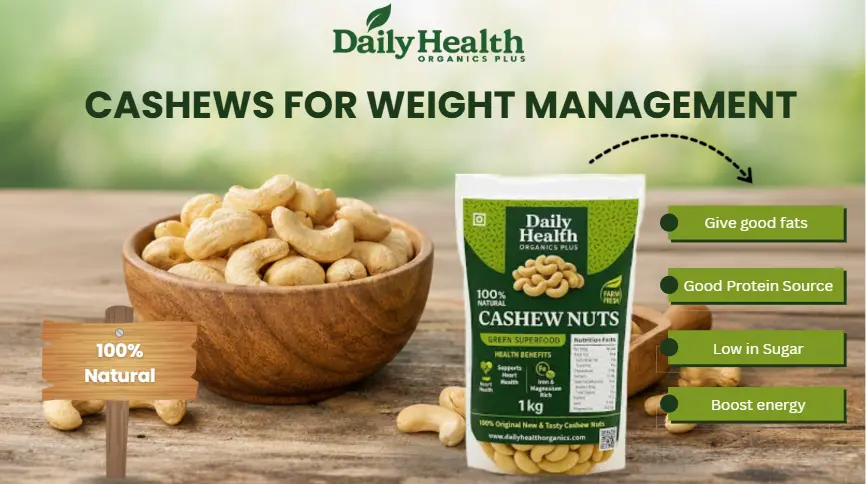
When it comes to weight management, nuts often receive mixed opinions. Many people believe nuts are fattening and should be avoided during weight loss. Among various nuts, cashews for weight management have gained attention due to their unique nutritional profile, satiety benefits, and role in healthy eating patterns.
This blog explores are cashews good for weight loss, how they support cashews and weight control, and the right way to include them in a balanced diet without fear.
Understanding Weight Management and Nutrition
Weight management is not just about reducing calories; it is about choosing nutrient-dense foods that support metabolism, control hunger, and maintain overall health. Foods rich in healthy fats, protein, fiber, and essential minerals help regulate appetite and prevent overeating.
Cashews, when consumed mindfully, fit well into this framework. They provide energy, improve fullness, and reduce unhealthy cravings, making them a useful addition to a weight-conscious diet.
Nutritional Profile of Cashews
Cashews are packed with essential nutrients that support both general health and weight control.
Key nutritional highlights include:
Healthy monounsaturated and polyunsaturated fats
Moderate plant-based protein
Essential minerals like magnesium, zinc, iron, and copper
B-vitamins that support metabolism
Antioxidants that help reduce inflammation
Despite being calorie-dense, the quality of calories from cashews matters. The fats present in cashews are heart-friendly and help maintain stable energy levels.
Cashews for Weight Management: How They Help
Cashews contribute to weight management through multiple mechanisms rather than rapid weight loss. Their effects are refined but sustainable.
Promote Satiety and Fullness
Cashews contain a combination of fats and protein that slows digestion. This helps you feel full for longer, reducing the urge to snack frequently or overeat during meals.
Reduce Unhealthy Cravings
Including cashews in meals or snacks can curb cravings for sugary or highly processed foods. Stable blood sugar levels play a major role in controlling hunger signals.
Support Metabolic Health
The magnesium and B-vitamins in cashews support energy metabolism. A well-functioning metabolism is essential for effective weight control over time.
Encourage Mindful Eating
Cashews are often eaten slowly due to their rich taste and texture. This naturally promotes portion awareness, an important factor in managing calorie intake.
Are Cashews Good for Weight Loss?
The question are cashews good for weight loss depends largely on portion size and eating habits. Cashews alone will not cause weight loss, but they can support it when used correctly.
Cashews can be beneficial for weight loss because:
They help control appetite, reducing overall calorie intake
They prevent energy crashes, which often lead to overeating
They provide sustained energy for physical activity
However, excessive consumption can add extra calories, which may slow progress. Weight loss works best when cashews are part of a balanced, calorie-controlled diet.
Cashews and Weight Control: The Role of Healthy Fats
Many people avoid fats when trying to manage weight, but not all fats are harmful. Cashews contain healthy unsaturated fats that play a key role in weight control.
Healthy fats:
Improve satiety and reduce hunger hormones
Support hormone balance related to appetite
Help absorb fat-soluble vitamins
Replacing refined carbohydrates or fried snacks with a small portion of cashews can actually improve dietary quality and support long-term weight control.
Portion Control: The Key to Using Cashews Effectively
Portion control is crucial when using cashews for weight management. Because cashews are calorie-dense, mindful consumption is essential.
Recommended portion guidelines
8–12 cashews per serving
Approximately one small handful per day
Preferably consumed as part of a meal or planned snack
Avoid eating directly from large containers, as it can lead to unconscious overeating.
Best Ways to Include Cashews in a Weight-Friendly Diet
Cashews can be included in several healthy ways without compromising weight goals.
As a Midday Snack
Pair cashews with fruit or yogurt for a balanced snack that keeps hunger at bay.
Added to Meals
Sprinkle chopped cashews over salads, vegetable stir-fries, or grain bowls for added texture and nutrition.
In Homemade Foods
Use cashew paste or crushed cashews in homemade gravies or dressings instead of heavy creams.
Pre-Workout Fuel
Cashews provide energy that supports physical activity, making them suitable before workouts when eaten in small amounts.
Cashews vs Other Nuts for Weight Management
Compared to other nuts, cashews offer a moderate balance of fat and protein.
Key comparisons:
Cashews are slightly lower in fat than macadamia nuts
They contain more carbohydrates than almonds but still support satiety
Their creamy texture makes them satisfying even in smaller portions
This balance makes cashews suitable for individuals who prefer variety in their weight management diet.
Common Myths About Cashews and Weight Gain
There are several misconceptions about cashews that often discourage people from including them in their diet.
Myth 1: Cashews Always Cause Weight Gain
Weight gain occurs due to excess calories over time, not from a single food. Controlled portions of cashews do not automatically lead to weight gain.
Myth 2: Nuts Should Be Avoided During Weight Loss
Research shows that moderate nut consumption can improve diet quality and support weight control.
Myth 3: Cashews Are Unhealthy Because They Are Fatty
Cashews contain healthy fats that are essential for metabolic and hormonal health.
Who Should Be Cautious with Cashew Consumption?
While cashews are generally safe and healthy, some individuals should be mindful.
People who should limit intake include:
Those with nut allergies
Individuals on very low-calorie diets
People advised to restrict fat intake for medical reasons
For most healthy individuals, moderate consumption is beneficial rather than harmful.
Scientific Perspective on Cashews and Weight Control
Several nutrition studies suggest that nut consumption does not increase obesity risk when eaten in moderation. Nuts like cashews improve dietary satisfaction, which can reduce long-term calorie intake.
Cashews also have a lower metabolizable energy than previously believed, meaning the body does not absorb all the calories from them. This makes them less problematic for weight control than once assumed.
Practical Tips for Using Cashews in Weight Management
To get the best results, follow these simple tips:
Choose unsalted or lightly roasted cashews
Avoid sugar-coated or fried varieties
Combine cashews with fiber-rich foods
Track portions instead of eliminating them
Consistency matters more than restriction when managing weight effectively.
So, can cashews help with weight loss and maintaining a healthy weight? Yes, if you eat with limited. Cashews for weight management work best as part of a balanced diet that includes whole foods, regular physical activity, and portion awareness.
Rather than fearing cashews, understanding their nutritional value allows you to use them strategically. They support fullness, reduce cravings, and contribute to overall dietary satisfaction. In the long run, this makes cashews and weight control a sustainable and realistic approach rather than a short-term fix.
When included wisely, cashews can be a delicious assistant in your weight management journey rather than an obstacle.