FREE delivery & 40% Discount for next 3 orders! Place your 1st order in.










Month: May 2026

Is Health Mix Good for Diabetics? Glycemic Impact Explained
Is Health Mix Good for Diabetics? Glycemic Impact Explained Diabetes management is a growing concern worldwide, with millions of people seeking dietary solutions that help maintain blood sugar levels without compromising on nutrition. Among various dietary options, health mixes have gained popularity as convenient, nutrient-rich solutions. But the critical question remains: Is health mix good for diabetics? The glycemic impact of health mixes, the benefits of these mixes, and the ways in which they can be safely incorporated into a diabetic diet. Understanding Health Mixes A health mix is one serving comprised of a combination of whole grains, pulses, nuts, seeds, and sometimes dried fruits. The purpose of this combination is to provide a balanced nutrient profile. These mixtures are typically sold as functional foods that are beneficial to one’s general health since they are enriched with specific vitamins and minerals. Among the most common components of a health mix are the following: Oats and Barley Ragi, also known as finger millet, wheat, and nuts such as almonds, cashews, or walnuts Dry fruits such as raisins or figs Omega-3 fatty acids found in flaxseeds, chia seeds, or sunflower seeds People who have diabetes have two primary concerns: managing their blood sugar levels and maintaining their heart health. Health mixes are regarded to be a wholesome food option because they contain a high amount of fibre, protein, and healthy fats. These nutrients are necessary for managing blood sugar levels and supporting heart health. Importance of the Glycemic Index for Obese People The GI is a measurement that determines how quickly a food that contains carbohydrates in it elevates the levels of glucose in the blood. One can use a scale that ranges from 0 to 100 to rank foods: Low GI (≤55): Influences blood sugar levels slowly and gradually. Medium GI (56–69): Has a moderate impact on blood sugar levels. High GI (≥70): Causes rapid spikes in blood sugar For people with diabetes, choosing foods with a low to medium glycemic index is crucial. A slow release of glucose prevents sudden spikes and crashes, which helps manage insulin response and reduce the risk of complications. Glycemic Index of Health Mix The glycemic index of Health Mix is mostly determined by the components that it contains and the technique that it is prepared using. Due to the fact that health mixes are often composed of whole grains, legumes, nuts, and seeds, the majority of them are classified as having a GI that ranges from low to medium. A breakdown is as follows: Oats: GI 55 (low) Barley: GI 28–35 (low) Ragi: GI 62 (medium) Whole wheat: GI 69 (medium) Nuts and seeds: GI 0–20 (very low) Due to the fact that this combination ensures that the overall glycemic load of the health mix is mild, it is suitable for persons who have diabetes when they drink it in the proper amounts. Tip: Avoid health mixes that contain added sugar, processed flours, or artificial flavors because these ingredients can raise the GI and have a detrimental impact on the ability to control blood sugar levels. Health Benefits of Health Mix for Diabetics Helps Maintain Regular Blood Sugar Levels Consuming health mixes that are high in fibre and protein can help to reduce the increases in blood sugar that occur after meals by slowing down the rate at which sugar is absorbed into the bloodstream. A particular type of fibre known as soluble fibre has the ability to improve glycemic management and insulin sensitivity. Encourages the health of the heart The majority of health mixes are enriched with vitamins, minerals, and antioxidants, providing diabetics with nutrients that they frequently require. Some examples of these nutrients are magnesium, zinc, and vitamin E. Oxidative stress can be reduced and general well-being can be supported with the help of these nutrients. Provides Essential Nutrients Many health mixes are fortified with vitamins, minerals, and antioxidants, offering nutrients that diabetics often need, such as magnesium, zinc, and vitamin E. These nutrients help combat oxidative stress and support overall well-being. Aids in Weight Management High fibre and protein content in health mixes promotes satiety, helping control cravings and manage body weight, a crucial factor in diabetes management. Convenience and Versatility Health mixes are easy to prepare and versatile. They can be used in smoothies, porridges, or baked into snacks, providing a nutrient-dense option without excessive cooking. Choosing the Right Health Mix for Diabetes Not all health mixes are created equal. When selecting a health mix for diabetes, consider the following: Check the ingredient list: Pick ones with legumes, seeds, nuts, and whole grains. Avoid refined flours and sugars. Note portion size: Large amounts of low-glycemic foods may raise blood sugar. 30–50 grams is a good serving size. Consider homemade options: Preparing your own health mix allows you to control ingredients and reduce sugar or fat content. Check glycemic load: A blend with high-GI ingredients might increase the glycemic load, even if it has a low GI. How to Incorporate Health Mix into a Diabetic Diet Breakfast Porridge Mix 2–3 tablespoons of health mix with milk or water, cook until soft, and add a few nuts. This results in a breakfast that is low in glycemic index, high in fibre, and maintains stable blood sugar levels. Smoothies Combine one tablespoon of health mix with a dash of cinnamon, a tablespoon of unsweetened yogurt, and a handful of berries. Having this delivers a low-GI snack that is filled with protein. Baked Goods (Fat) In baking, replace refined flour with a healthy mix instead of pure flour. One way to increase the amount of nutrients you consume is by using your health mix to make low-sugar muffins or pancakes. Assorted Salads and Soups Roasted health mix is a delightfully crispy and nutrient-dense topping that can be added to soups or salads. Potential Precautions The consumption of health mixes by diabetics is generally considered to be beneficial; there are a few precautions to consider: Watch portion sizes: Overconsumption can lead to
Is Organic Rice Better for Diabetics? Glycemic Index Explained
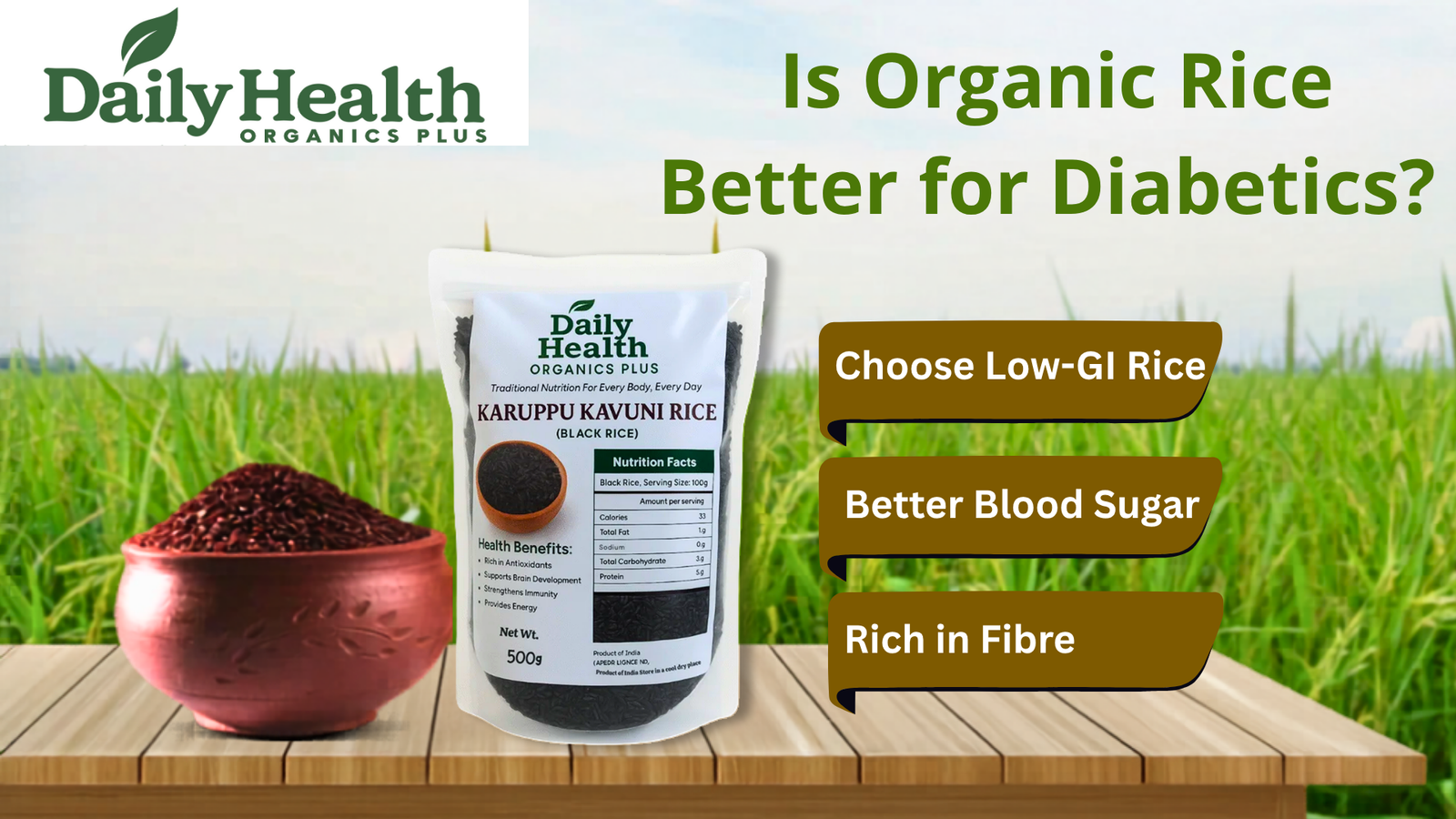
Is Organic Rice Better for Diabetics? Glycemic Index Explained Billions of people eat rice as a staple of their diet, especially in Asia. But when it comes to people with diabetes, rice is often taken with caution due to its potential impact on blood sugar levels. This has led to more curiosity regarding whether or not it is beneficial in selecting organic rice for better blood sugar management. In this blog, we are going to take a look at the glycemic index of organic rice, compare various types of rice and figure out the best rice for blood sugar control among diabetics. Understanding Organic Rice Organic rice is grown without the use of synthetic pesticides, synthetic fertilizers or genetically modified organisms (GMOs). Organic farming, on the other hand, uses natural soil improvement, crop rotation and pest management techniques which do not harm ecosystems. Though the nutrition profile of organic rice is similar to that of regular, commercially-produced rice, growing it can be a boon for soil health and may hold onto higher levels of micronutrients and antioxidants, especially in whole grain versions. For individuals with diabetes, traditional rice may be detrimental to health, whereas the true benefit of organic rice is more than just based on how it was cultivated but also in what kind of rice is used and its effects on blood glucose. Why Glycemic Index Matters for Diabetics The glycemic index (GI) is a measure of how much carbohydrate-containing foods will elevate blood sugar levels after ingestion. Foods are classified as: Low GI (≤55): Blood glucose level rise is slow and steady. GI medium (56−69): Fair rise. High GI (≥70): Leads to a high spike in blood sugar Low-GI foods are often recommended to diabetics as they have been shown to aid in glycemic control and reduce insulin-level spikes. Glycemic Index of Organic Rice The Glycemic Index of Whole Foods, the GI of whole organic rice can vary from one type to another and depending upon the processing. Organic does not automatically equal low GI. The fibre content, grainy structure and starch composition of the rice mattered much more. Below are some common types of organic rice and the GI range for each: Organic Rice Type Glycemic Index Organic White Rice 70–75 (High) Organic Brown Rice 50–55 (Low–Medium) Organic Red Rice 50–55 (Low) Organic Black Rice 42–45 (Low) Organic Basmati Rice 50–58 (Low–Medium) As seen above, whole-grain organic rice varieties tend to have a significantly lower glycemic index compared to refined white rice. Is Organic Rice Good for Diabetics? Yes, but with the right choices and portion control. Organic rice can be a healthy option for diabetics when the focus is on whole grains and low-GI varieties. Some main reasons why organic rice can be beneficial for diabetes control: Higher Fibre Content 100% whole-grain organic rice includes both the bran and germ layers, fibre-rich. Fibre can also slow down the digestion of carbohydrates, preventing huge surges in blood sugar levels. Better Blood Sugar Stability Organic Low-GI rice slowly releases glucose into the bloodstream, keeping your energy levels stable. Rich in Antioxidants and Minerals Organic red rice and black rice contain antioxidants that include anthocyanins, magnesium and zinc as well, which support insulin function. Reduced Exposure to Chemicals Organic food doesn’t contain pesticide residues, thereby it is the cleaner and safer option for long-term health. Best Rice for Blood Sugar Control Choosing the best rice for blood sugar control is essential for diabetics who wish to continue enjoying rice as part of a balanced diet. Organic Black Rice Black rice has one of the lowest GI levels compared to other types of rice. It is rich in fibre and antioxidants which makes it a great option for regulating your blood sugar. Organic Red Rice Red rice is unpolished and has a lower GI due to the presence of bran layers. The fibre is good for digestion and blood sugar control. Organic Brown Rice Brown rice is one of the most commonly recommended whole grains for diabetics. It is slow to digest and provides important nutrients such as magnesium that will enhance insulin sensitivity. Organic Basmati Rice The longer grain structure of basmati rice and higher amylose content may contribute to a lower GI relative to normal white rice. Organic Rice vs Regular Rice for Diabetics While both organic and conventional rice provide carbohydrates, organic whole-grain rice offers several advantages: Better fibre retention Lower glycemic impact (in whole-grain forms) Higher antioxidant levels Cleaner farming practices However, diabetics should note that organic white rice still has a high GI and should be limited regardless of its organic status. Portion Control and Cooking Methods The best rice for controlling blood sugar is likely to produce a glucose spike if you eat too much of it. Serving size and method of preparation markedly influence glycemic response. Smart Portion Guidelines Eat NO more than ½ cup cooked rice per meal Serve with protein and veggies to reduce digestion Cooking Tips to Lower GI Boil rice until it is not fully cooked and fry them. Let cooked rice cool a bit before serving Don’t cook under pressure for very long periods of time Simply reheating cooled rice may, in and of itself, decrease its glycemic impact by promoting the formation of resistant starches . How to Add Organic Rice to a Diabetic Diet Mix organic rice with lentils, veggies and healthy fats Don’t eat rice together with sugary sauces or processed foods Serve organic rice as part of a balanced plate, not the center of attention Check blood sugars to see what works for you personally As long as the correct types are chosen, organic rice can be a great option for diabetics. Organic rice won’t meaningfully reduce your blood sugar, but whole grain options, including brown and red varieties (also black, basmati, etc), boast a lower glycemic index and more fibre, both good news for diabetes control. Diabetes sufferers should eat low-glycemic organic rice varieties, watch the portions and enjoy the healthful cooking methods. If rice is consumed in moderation and cooked the right way, organic rice can be